The world of website design and development is dynamic, with new trends emerging regularly as technology evolves and user preferences shift. Staying updated with these trends is crucial for businesses and developers to create websites that are not only aesthetically pleasing but also functional, user-friendly, and ahead of the competition. This article explores some of the latest trends in website design and development that are shaping the digital landscape.
Minimalist and Clean Design
User experience (UX) is at the core of effective web design. A user-friendly website is intuitive to navigate, provides seamless access to information, and ensures a frictionless browsing experience across devices. By optimizing navigation, simplifying the checkout process, and minimizing loading times, you can keep visitors engaged and encourage them to explore further.
Focus on Simplicity
Minimalist design emphasizes simplicity, removing unnecessary elements to focus on the content and user experience. This trend is characterized by:
Ample White Space: Generous use of white space helps to highlight key content and makes the design look clean and uncluttered.
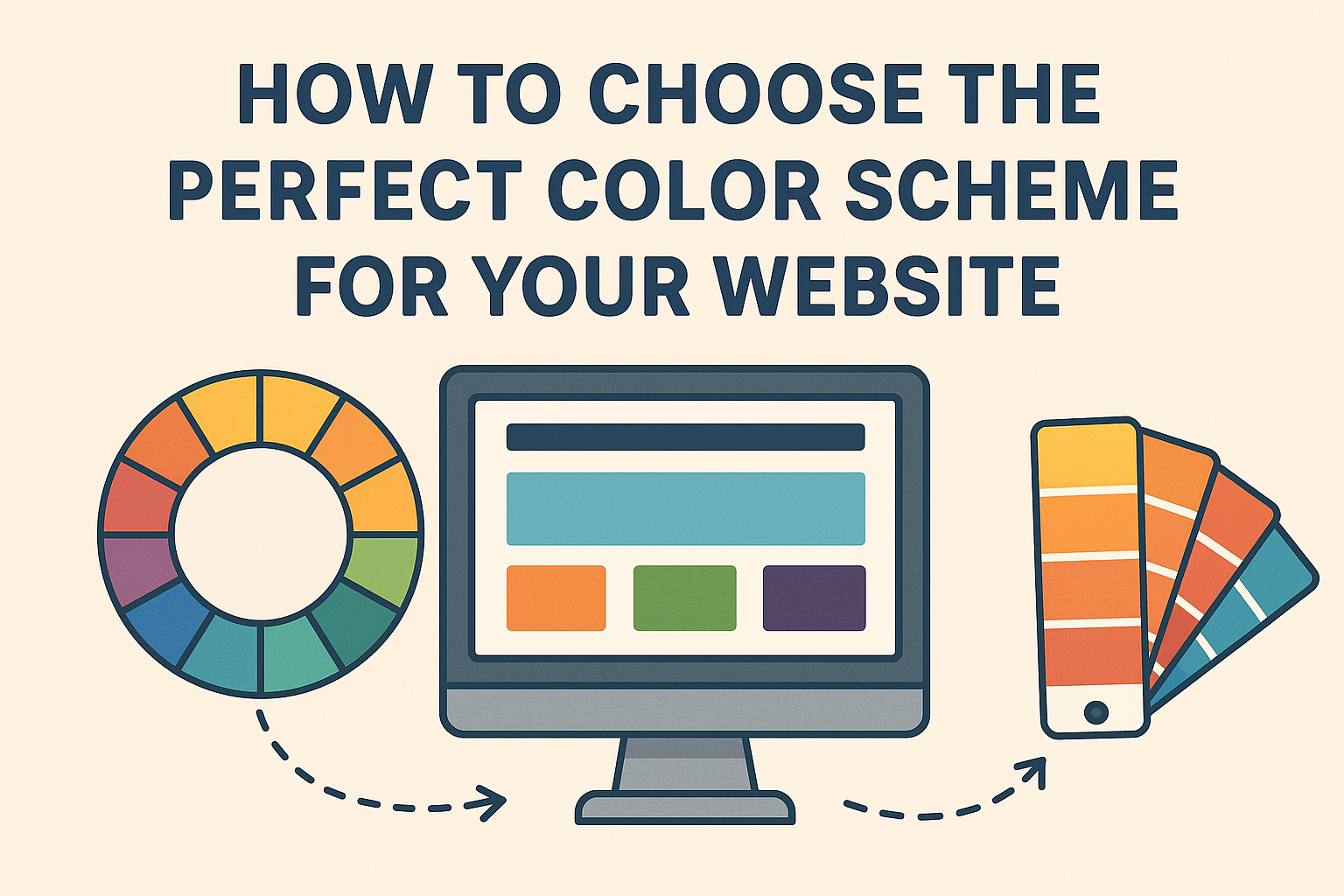
Simple Color Schemes: Minimalist designs often use a limited color palette, focusing on neutral tones with occasional accents.
Straightforward Typography: Clean, readable fonts are prioritized to ensure content is easily accessible.
Benefits
Improved Load Times: Fewer elements mean faster loading speeds.
Enhanced User Experience: Users can navigate the site effortlessly, leading to better engagement and lower bounce rates.
Dark Mode
Dark mode has become increasingly popular due to its aesthetic appeal and functional benefits. This trend involves using dark backgrounds with light text and elements.
User Preference: Many users prefer dark mode for its reduced eye strain, especially in low-light environments.
Energy Efficiency: Dark mode can save battery life on OLED and AMOLED screens.
Implementation
Toggle Option: Providing users with the option to switch between dark and light modes enhances personalization.
Consistency: Ensure all elements, including images and graphics, are optimized for both modes.
Micro-Interactions
Enhancing User Engagement
Micro-interactions are small, subtle animations or design elements that respond to user actions, such as hovering, clicking, or scrolling.
Feedback Mechanisms: These interactions provide immediate feedback, confirming actions like form submissions or button clicks.
Delightful Experiences: Well-designed micro-interactions add a layer of delight and engagement, making the user experience more enjoyable.
Examples
Hover Effects: Buttons changing color or enlarging slightly when hovered over.
Loading Animations: Spinners or progress bars that inform users their action is being processed.
3D Elements and Immersive Experiences
Advancements in Technology
With advancements in browser capabilities and web technologies, integrating 3D elements into websites has become more feasible.
Interactive Graphics: 3D graphics and animations can create immersive experiences, particularly in e-commerce and portfolio sites.
Virtual Reality (VR): VR integration offers an even deeper level of immersion, useful for industries like real estate and tourism.
Considerations
Performance: Ensure that 3D elements do not negatively impact the website’s performance and loading times.
User-Friendly: While adding visual appeal, ensure the 3D elements are intuitive and enhance the user experience.
Voice User Interface (VUI)
Rise of Voice Search
As smart speakers and voice assistants become more prevalent, optimizing websites for voice search and integrating voice user interfaces is increasingly important.
Voice Commands: Implementing voice search functionality can improve accessibility and user convenience.
Natural Language Processing: Utilizing natural language processing (NLP) can enhance the accuracy and effectiveness of voice commands.
Benefits
Accessibility: Voice interfaces make websites more accessible to users with disabilities.
Convenience: Users can perform tasks more efficiently using voice commands.
Mobile-First Design
Importance of Mobile Optimization
With the majority of web traffic coming from mobile devices, adopting a mobile-first design approach is essential.
Responsive Design: Ensuring the website is fully responsive and performs well on various screen sizes.
Mobile-Friendly Navigation: Simplified menus, larger touch targets, and intuitive navigation tailored for mobile users.
Techniques
Adaptive Images: Using responsive images that adjust according to the device and screen size.
Performance Optimization: Minimizing scripts and using efficient coding practices to ensure fast load times on mobile networks.
Progressive Web Apps (PWAs)
Bridging Web and Mobile
Progressive Web Apps combine the best features of web and mobile apps, providing an app-like experience within a web browser.
Offline Access: PWAs can work offline or on low-quality networks, enhancing accessibility.
Push Notifications: Ability to send push notifications to engage users even when they are not on the website.
Advantages
Improved Performance: PWAs load faster and provide a smoother user experience.
Cross-Platform Compatibility: They work on any device with a modern browser, reducing the need for separate mobile app development.
Artificial Intelligence and Machine Learning
Personalization and Efficiency
AI and machine learning are increasingly being integrated into web design and development to enhance personalization and efficiency.
Chatbots: AI-powered chatbots provide instant customer support and can handle a variety of user queries.
Personalized Content: Machine learning algorithms can analyze user behavior to deliver personalized content and recommendations.
Implementation
Data Analysis: Leveraging user data to make informed decisions and improve the website’s performance and user experience.
Automation: Using AI to automate routine tasks, such as customer service interactions and content recommendations.
Augmented Reality (AR)
Enhancing User Interaction
Augmented Reality (AR) provides a way to overlay digital content in the real world, creating interactive and engaging experiences.
Product Visualization: AR allows users to visualize products in their own environment before making a purchase, particularly useful in e-commerce.
Interactive Experiences: Museums, tourism sites, and educational platforms can use AR to provide interactive and educational experiences.
Challenges
Technical Complexity: Implementing AR can be technically challenging and may require specialized skills and tools.
Performance Considerations: Ensure that AR features do not compromise the website’s performance.
Ethical Design and Privacy
User-Centric Privacy
With increasing concerns about data privacy, ethical design practices that prioritize user privacy and data protection are gaining importance.
Transparent Policies: Clearly communicate data collection and usage policies to users.
Data Minimization: Collect only the necessary data and implement robust security measures to protect it.
Benefits
Trust and Credibility: Ethical design practices build trust and credibility with users, encouraging long-term engagement and loyalty.
Regulatory Compliance: Ensures compliance with data protection regulations such as GDPR and CCPA.
Building Brand Identity and Trust
Conclusion
Staying abreast of the latest trends in website design and development is essential for creating modern, effective, and user-friendly websites. From minimalist designs and dark mode to the integration of AI, AR, and voice interfaces, these trends reflect the evolving preferences of users and advancements in technology. By adopting these trends thoughtfully and strategically, businesses can enhance user engagement, improve performance, and stay ahead of the competition.
Focusing on principles like mobile-first design, ethical practices, and the use of progressive web apps ensures that websites not only meet current standards but are also prepared for future developments. Whether it’s through innovative design elements like 3D graphics and micro-interactions or functional enhancements like PWAs and voice user interfaces, the goal remains the same: to create websites that offer a seamless, enjoyable, and effective user experience.
In a rapidly changing digital landscape, keeping up with these trends requires continuous learning and adaptation. By doing so, web designers and developers can create cutting-edge websites that cater to the needs of their users and drive business success