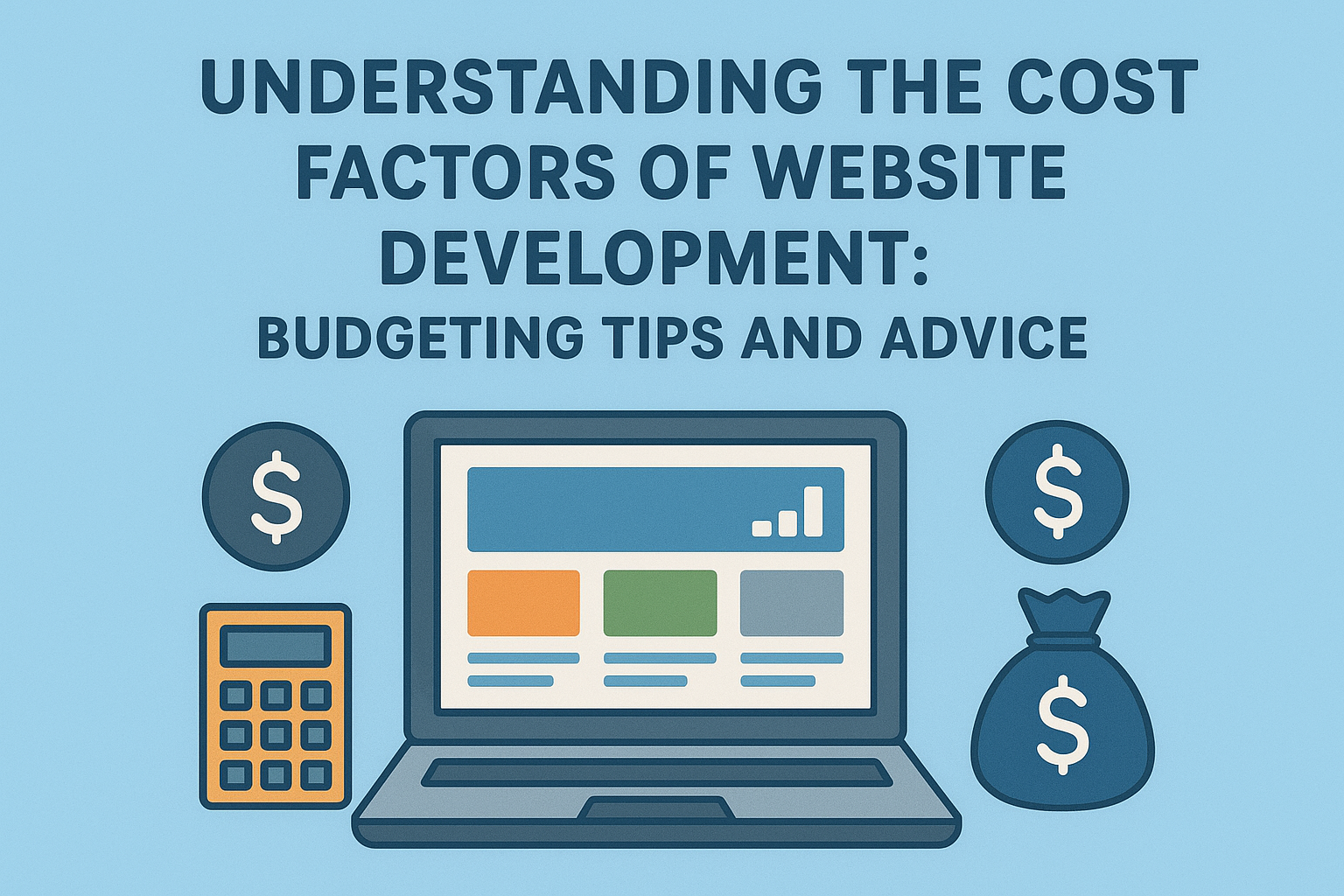
Creating a website is a crucial step for any business aiming to establish a strong online presence. However, the cost associated with website development can vary significantly based on a range of factors. Understanding these cost factors is essential for effective budgeting and ensuring you get the best value for your investment. This comprehensive guide will help you navigate the complexities of website development costs, providing budgeting tips and advice along the way.
Purpose and Type of Website
Informational Websites
Informational websites are typically simple and provide basic information about a business, such as its services, contact details, and company history. These sites are generally less expensive because they require fewer features and a straightforward design.
E-commerce Websites
E-commerce websites allow businesses to sell products or services online. These sites require additional features like product catalogs, shopping carts, payment gateways, and security measures, making them more complex and costly.
Custom Web Applications
Custom web applications are tailored to specific business needs and often include unique functionalities that are not available in standard templates. These projects can be quite expensive due to the level of customization and development work required.
Content Management Systems (CMS)
CMS websites allow businesses to manage their content easily without extensive technical knowledge. Examples include WordPress, Joomla, and Drupal. The cost of a CMS website can vary based on the level of customization and the number of plugins or extensions needed.
Design Complexity
Template-Based Design
Using pre-made templates is a cost-effective option for website design. Templates provide a basic structure that can be customized to fit your brand. However, the level of customization is limited compared to a fully custom design.
Custom Design
A custom design offers a unique look tailored specifically to your brand. This process involves working closely with a designer to create a site that reflects your brand’s identity and meets your specific needs. Custom designs are more expensive due to the time and expertise required.
Responsive Design
Ensuring your website is responsive, meaning it works well on all devices, is essential in today’s mobile-first world. While most modern templates are responsive, additional customization may be needed to ensure optimal performance across different devices, which can add to the cost.
Development Complexity
Front-End Development
Front-end development involves creating the visual components of your website that users interact with. This includes everything from layout and design to animations and interactivity. The more complex the design and interactivity, the higher the cost.
Back-End Development
Back-end development focuses on the server-side logic and database management. This is where the functionality of your website is built, including user authentication, data processing, and server configuration. Complex back-end requirements, such as integration with other systems or custom features, can significantly increase costs.
Third-Party Integrations
Integrating third-party services like payment gateways, email marketing tools, CRM systems, and social media platforms can add functionality to your site. However, these integrations often require additional development work and can increase costs.
Content Creation
Copywriting
High-quality content is essential for engaging your audience and improving your SEO. Professional copywriting services can help create compelling and optimized content for your website. The cost will depend on the volume and complexity of the content needed.
Multimedia
Including multimedia elements like images, videos, and infographics can enhance your website’s appeal and effectiveness. Professional photography, video production, and graphic design services add to the overall cost but can significantly improve user engagement.
SEO and Marketing
On-Page SEO
On-page SEO involves optimizing individual web pages to rank higher in search engine results. This includes keyword research, meta tags, headings, and content optimization. Investing in on-page SEO can drive organic traffic to your site but adds to the initial development cost.
Content Marketing
Content marketing strategies such as blog posts, whitepapers, and social media content can help attract and retain customers. Developing and implementing these strategies requires ongoing effort and investment.
Analytics and Monitoring
Setting up tools like Google Analytics to monitor website performance is crucial for understanding user behavior and making informed decisions. This setup may incur additional costs, especially if you require advanced tracking and reporting features.
Maintenance and Support
Regular Updates
Websites require regular updates to maintain security, functionality, and performance. This includes updating the CMS, plugins, and themes, as well as performing routine backups and security scans. Budgeting for ongoing maintenance is essential to avoid unexpected costs down the line.
Technical Support
Access to technical support ensures that any issues with your website can be resolved quickly. This support can be provided on a retainer basis or as-needed, depending on your requirements. Including technical support in your budget provides peace of mind and helps maintain website performance.
Hosting and Domain
Hosting Services
Web hosting is where your website’s files are stored and accessed. Hosting costs vary based on factors like server performance, storage, bandwidth, and additional services like SSL certificates and backups. Shared hosting is cheaper but may offer limited resources, while dedicated hosting provides better performance at a higher cost.
Domain Registration
Your domain name is your website’s address on the internet. Domain registration fees are typically charged annually and can vary based on the popularity and availability of the domain name. Budget for both the initial registration and ongoing renewal costs.
Budgeting Tips and Advice
Define Your Goals and Priorities
Before starting the development process, clearly define your website’s goals and prioritize the features you need. Understanding what’s essential versus what’s nice-to-have helps allocate your budget effectively and avoid unnecessary expenses.
Get Detailed Quotes
Request detailed quotes from multiple web development agencies or freelancers. Ensure the quotes break down the costs for design, development, content creation, SEO, and ongoing maintenance. Comparing quotes helps you understand the market rates and make an informed decision.
Plan for Contingencies
Website development projects can encounter unforeseen challenges that may increase costs. Allocate a contingency budget (typically 10-20% of the total budget) to cover unexpected expenses. This ensures you’re prepared for any surprises during the development process.
Consider Phased Development
If budget constraints are an issue, consider phased development. Prioritize the most critical features and launch the initial version of your site. You can add additional features and enhancements in future phases as your budget allows.
Invest in Quality
While it’s tempting to cut costs, investing in quality development, design, and content pays off in the long run. A well-built, optimized, and engaging website attracts more visitors, provides a better user experience, and reduces the need for costly fixes and redesigns in the future.
Regularly Review and Adjust Your Budget
Website development and maintenance are ongoing processes. Regularly review your budget to ensure it aligns with your evolving business needs and goals. Adjust your budget as necessary to accommodate new features, marketing strategies, and maintenance requirements.
Leverage Free and Open-Source Tools
Many high-quality, free, and open-source tools can help reduce costs without compromising quality. For example, WordPress offers a range of free themes and plugins that can add functionality and enhance design. However, ensure these tools are regularly updated and supported to maintain security and performance.
Collaborate with Experienced Professionals
Partnering with experienced web developers, designers, and content creators ensures your website is built to high standards. Professionals bring expertise and insights that can help you make informed decisions, optimize costs, and achieve your desired outcomes.
Conclusion
Understanding the cost factors involved in website development and following effective budgeting tips can help you create a successful, high-performing website that meets your business goals. From choosing the right type of website to planning for ongoing maintenance, every aspect requires careful consideration and strategic planning.
Investing in quality design, development, and content, while being mindful of your budget, ensures that your website serves as a valuable asset for your business. By defining your goals, getting detailed quotes, planning for contingencies, and collaborating with experienced professionals, you can navigate the complexities of website development costs and achieve a strong online presence.
Regularly reviewing and adjusting your budget ensures that your website remains up-to-date, secure, and optimized for the best user experience. In the dynamic digital landscape, a well-maintained and strategically developed website is essential for attracting and retaining customers, driving growth, and staying competitive.